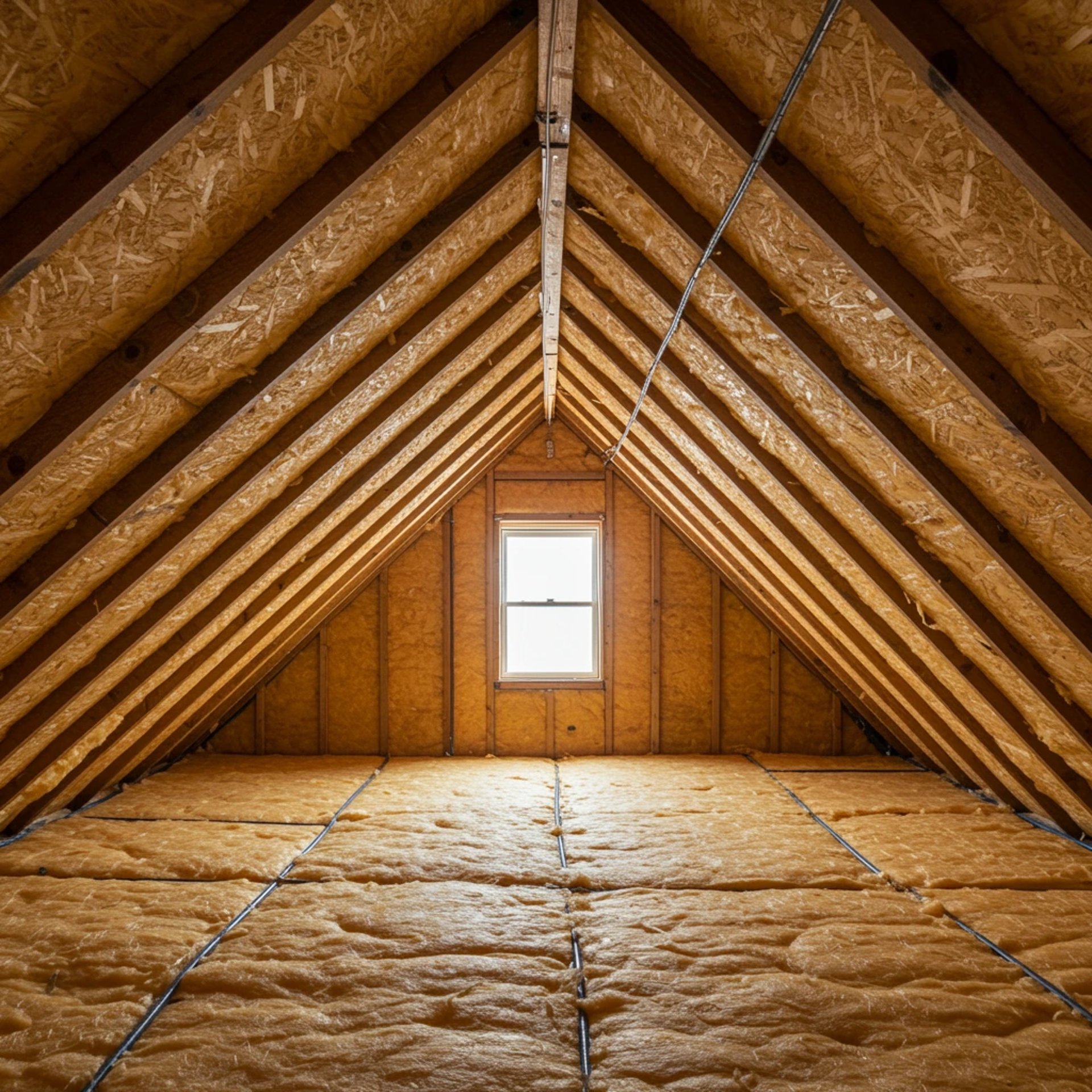
Rats In Loft - Spalding Pest Issues And Solutions
Hearing Scratching Noises in the Loft at Night?
Scratching, running or gnawing sounds after dark are common early signs of rat activity. Rodents are usually most active once the property becomes quiet in the evening.
Steps To Take If You Think Rats Are In Your Loft
Do you hear scratching, squealing noises, or gnawing sounds above your ceiling? If so, rats may have entered your attic or loft space. Properties across Spalding and nearby areas sometimes encounter loft infestations where rodents use insulation, stored items and roof voids for shelter. Fast action helps prevent damage, increased breeding and repeat activity. At this stage contacting a professional expert who knows how to strategically place bait traps at routes where rats are known to travel becomes vital.
Common Signs of Rats In Loft
You may notice:
dark, cigar-shaped droppings
scratching sounds at night
thumping noises
movement across ceiling joists
droppings near loft hatch areas
chewed packages, damaged cables or shredded insulation
strong musky smells
gnaw marks on wood
urine marks
nesting materials gathered into corners
If these signs are present and you're finding it difficult to get into the loft, professional rat control experts in Spalding might be able to assist you.
Why Loft Spaces Attract Rats
During cold winter months, rats are motivated to seek warmth in homes and buildings as a way to survive. Lofts can be an ideal shelter as they offer heat, darkness and protection from other predators. In and around Spalding, rats may travel from gardens, drainage routes, sheds and outbuildings into roof spaces when temperatures subside.
Homes near:
the River Welland corridor
drainage channels around the South Holland area
older terrace rooflines
rear gardens with storage areas
properties bordering open land
…can all be disturbed by frequent rat activity.
Risks of Leaving Rats In The Loft
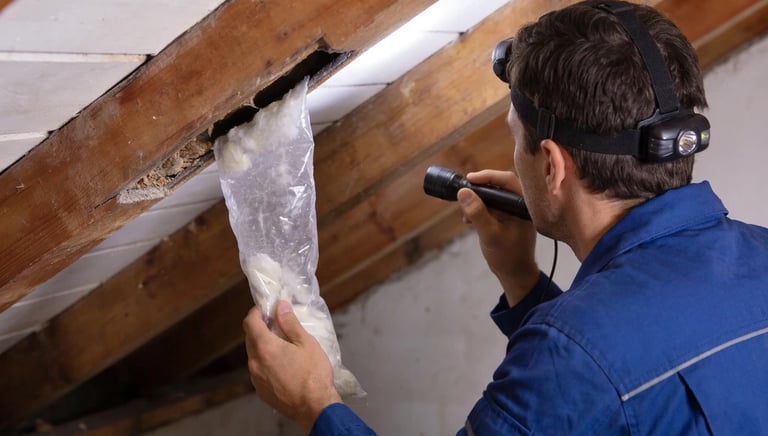
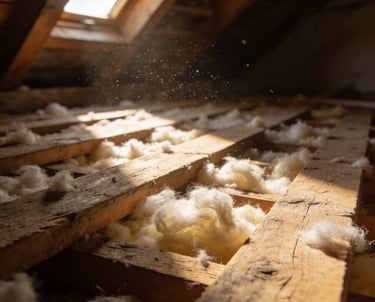
Rats in the loft can disturb your sleep. But more than that, rats can start breeding at just 5-8 weeks old. If you have rats in the loft and their population multiplies, leaving this unaddressed can lead to an ongoing noise disturbance, contaminated stored belongings, and several additional problems, such as:

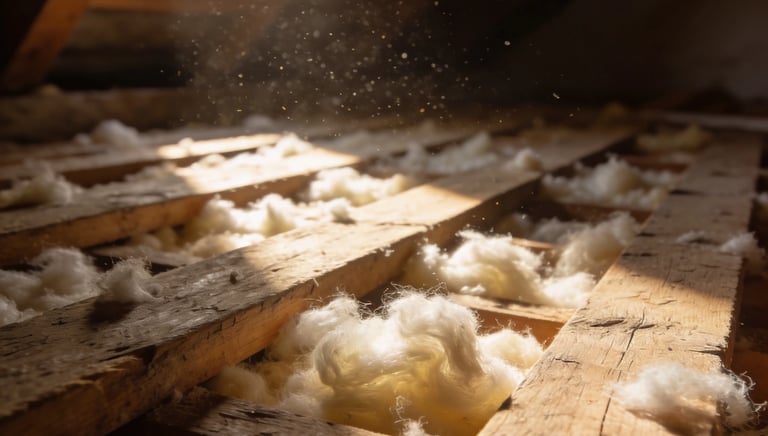
Damaged Insulation
Rats often chew on insulation to create soft bedding material for their offspring.
Foul Odours
Rats can often get trapped in attic seals and die, which can leave an unpleasant smell.
Damaged Cables
Because their teeth never stop growing, rats can chew on cables to grind them down.


Frequently Asked Questions
Common Questions About Rats In Lofts
Are rats in lofts common in Spalding?
They can occur in both town and village properties, especially where roof access points or nearby food sources exist.
What noises do rats make in a loft?
Scratching, running sounds, gnawing noises and sudden movement are common.
Can rats damage wires?
Yes, rodents may chew cables and stored materials. If wire cables become exposed, this could create a potential fire hazard.
Do I need a rat catcher in Spalding?
If activity continues or signs are obvious, professional help is usually the quickest route to control and prevention. Homes near Abbey Path often contact experts to deal with rat problems in lofts.
Additionally, if you live just outside of Spalding, we can also connect you with an expert who offers rat control in Holbeach.
Not every loft infestation involves rats. If you've found much smaller droppings, see our guide on Mouse Droppings in Loft Spalding.


Quick Response Aim Within 24 Hours
You can contact an expert by phoning 07481 338 424, or see how to send a message for more information here.
Nearby Areas Covered
Support is often requested from surrounding locations including:
Pinchbeck
Surfleet
Gosberton
Moulton
How Do Rats Usually Enter Lofts
Typical entry routes include:
damaged soffits
gaps around roof tiles
broken vents
climbing via fences or sheds to roof level
wall cavity access points
gaps where pipework enters the property
If you've noticed rat activity outside before hearing scratching inside, our guide to rats in the garden in Spalding explains what to look for.
Why Rats Often Return To Lofts
If entry gaps remain after treatment, new rats may later re-enter.
Lofts provide rats quiet, uninterrupted spaces that keep them hidden in darkness. These areas are also ideal because homeowners rarely access their loft spaces, so rats are often leave to roam without being disturbed or seen. If a loft was previously inhabited by rats, new colonies are attracted to the scent left by the earlier population..
Need Help With Rats In The Loft?
If rat loft activity is confirmed, help can often include inspection, targeted treatment, locating entry points and prevention guidance.
For broader rodent issues, visit our Rat Control Spalding page.
For all services, see Pest Control Spalding.
Call 07481 338 424 Now For Urgent Rat Loft Assistance
Spalding Pest Control
Serving Spalding and surrounding South Holland areas | Powered By Anglia Lead Group
Full correspondence address available upon request.
DISCLAIMER: We are an independent lead generation service that connects customers with local contractors. We do not carry out any work ourselves and are not responsible for the services provided by third-party contractors
This website is a lead generation service. All work is carried out by independent contractors.
Contact Page
Contact Phone number:
07481338424
Contact email:
info@spaldingpestcontrol.co.uk
Subscribe to get the most up-to-date tips on pest control
All contractors are independent businesses responsible for their own licensing, qualifications, and insurance. We do not guarantee or independently verify the validity of any certifications.