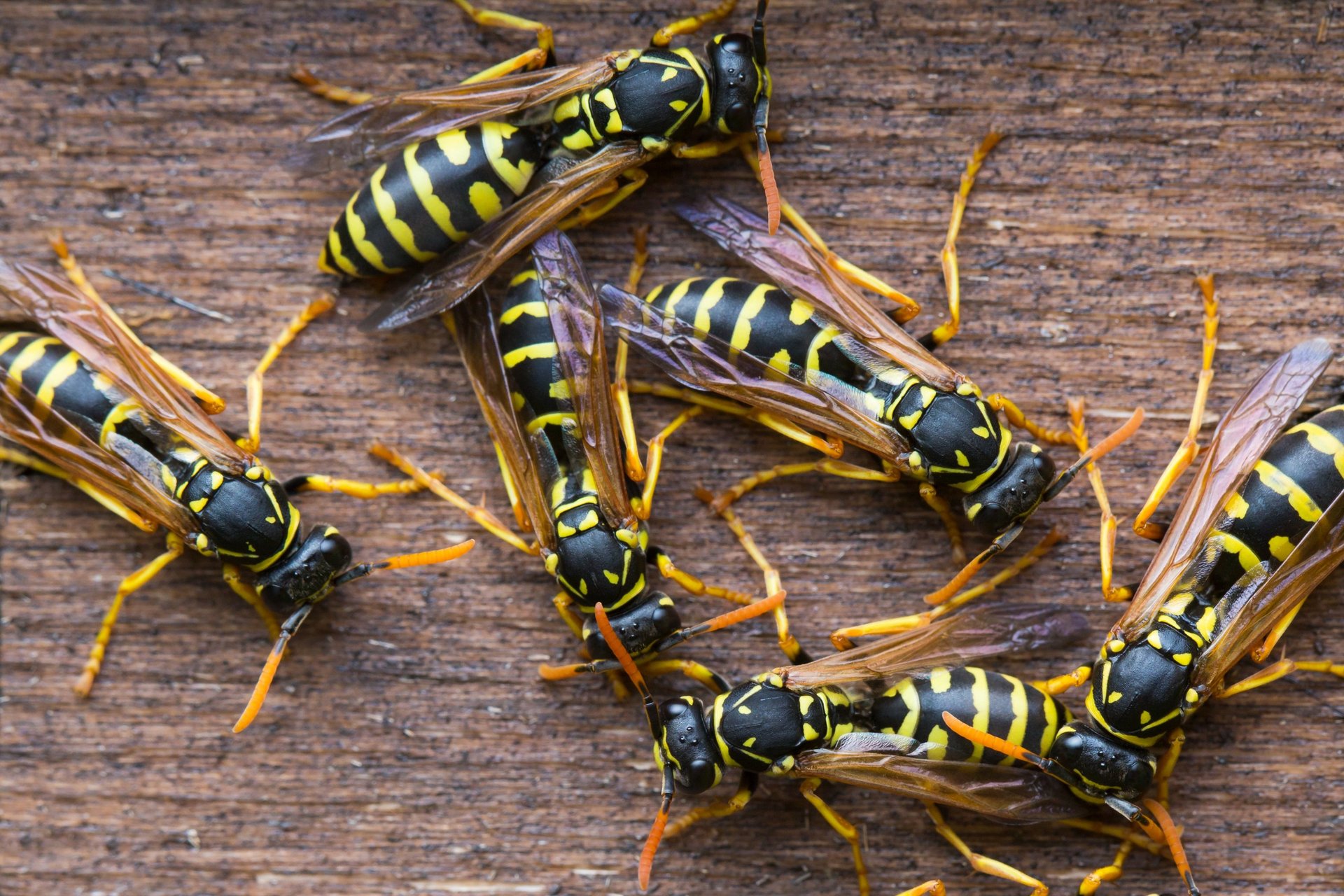
Wasp Nest In Garden In Spalding
Wasp Nests In Spalding Gardens
You step outside to enjoy the garden, only to find wasps building nests in the hedge. A few disappear into the roof eaves. Others hover near fence panels, outdoor bins and patio furniture. Over time this wasp presence becomes too uncomfortable to ignore.
For homeowners in Spalding, wasp nests in gardens can gradually affect how outdoor spaces are used, particularly during warmer months when patios, lawns and seating areas become part of everyday routines again.
Why Wasps Build Nests In Gardens
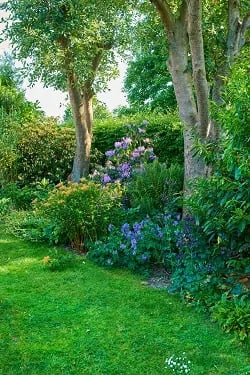
Gardens offer a multitude of benefits for wasps. Water left in bird baths and sugar in fallen fruits are just some of the reasons wasps are attracted to gardens during during spring and summer.
Other benefits include:
‣ Dense hedges provide shelter from rain and hide nests from view
‣ Garden bins offer easy fruits and sugars
‣ Secluded roof spaces inside sheds or outbuildings
‣ Sheds and fences contain ideal wood fibres which wasps use to build their nests
‣ Warm conditions around patios and garden structures
Areas near Wygate Park, Pinchbeck Road, and parts of Little London often contain detached gardens, sheds and enclosed outdoor spaces that may create suitable nesting conditions depending on seasonal activity.
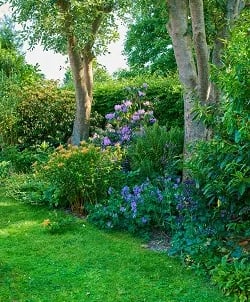
Typical Signs of A Wasp Nest In The Garden
Usually, activity begins slowly before the nest grows in size and becomes noticeable.
Homeowners sometimes notice:
repeated wasp movement around one specific area
wasps flying underneath decking
buzzing sounds near fences or wall cavities
heightened wasp presence around hedges
seeing dead wasps on the ground near the back door
dead wasps appearing on windowsills
Wasps repeatedly following the same flight path back toward a hidden area is another indication of nest-building activity.
Why Wasp Garden Activity Can Increase Quickly
A single queen wasp emerging during spring may begin constructing a small nest inside a sheltered outdoor location.
As worker wasps develop:
nest activity typically increases
foraging behaviour expands
more visible wasps begin appearing around the property
Warm summer conditions may accelerate colony development, particularly where outdoor food and sheltered nesting points remain accessible.
Because this growth often happens gradually, homeowners may only realise the extent of activity once the nest becomes more established.
Why Professional Assessment May Help
Sometimes, it's challenging trying to identify the the source of a garden wasp nest. Garden furniture, fences, roof voids, and hedges can obscure wasp activity.
A technician can often quickly locate:
likely nest locations
active flight paths
structural access points
suitable treatment approaches depending on the situation
Depending on access and visibility, treatment may sometimes be carried out without needing to dismantle outdoor structures.
Areas Where Wasps Nests May Develop
Outdoor nests are not always immediately visible.
Common nesting locations include:
inside sheds and garages
beneath decking structures
roof edges and eaves
dense hedging or vegetation
wall cavities near patios
beneath garden furniture covers
inside compost or storage areas
In parts of Spalding near West Marsh Road and Monks House Lane, gardens containing older timber structures or outbuildings may provide additional sheltered nesting opportunities.
There are some temporary preventative measures you can take to reduce attractants around the garden, such as:

Limit Standing Sweet Liquids
Clearing fallen fruit as quickly as possible can be an effective deterrent against wasps.
Maintain a Clear Garden
Cutting overgrown hedges can remove sheltered locations that provide coverage.
Seal Bins Tightly
Ensure food bins are properly closed and not allowing sugary scent to attract wasps.


Frequently Asked Questions About Wasp Nests In Gardens
Common queries you might have about wasp nests in gardens.
Why are there suddenly more wasps around my patio?
As nests expand during warmer months, worker wasps travel further from the colony searching for food and sugary substances. Patios and outdoor eating areas may naturally attract increased activity during this stage.
Can wasps nest underneath decking?
Yes. Decking can create sheltered, dry voids protected from weather conditions. Small gaps between timber structures may allow queens to access hidden nesting areas.
Why do wasps keep flying to the same corner of the garden?
Consistent directional movement often indicates a nearby nesting point. Wasps commonly follow repeated flight paths between the nest and nearby food or water sources.
Do wasps become more active later in summer?
In many cases, yes. As colonies grow, the number of worker wasps typically increases throughout summer, making activity around gardens more noticeable.
Can garden wasp nests affect indoor areas too?
Sometimes. If nesting occurs close to rooflines, wall cavities or soffits, wasps may occasionally enter lofts, garages or indoor spaces through small structural gaps.
Is it safe to block the entrance to a wasp nest?
Blocking entrances without assessing the full nest location can sometimes cause wasps to search for alternative exit routes. Many homeowners choose to seek professional guidance before attempting this.


Quick Response Aim Within 24 Hours
You can contact an expert by phoning 07481 338 424, or see how to send a message for more information here.
Nearby Areas Covered
In parts of Spalding such as Pinchbeck Road and Woolram Wygate, gardens located near drainage channels, open land, or shared boundary lines may experience increased rodent movement depending on surrounding conditions.
Same-day support is often available if you leave near these areas and also surrounding villages, such as:
Pinchbeck
Surfleet
Gosberton
Moulton
Why Nests Can Be Frustrating
Many homeowners begin altering how they use the garden once activity increases.
This may include:
avoiding patio seating areas
keeping windows closed more frequently
limiting children's use of outdoor areas
avoiding sheds or storage spaces
feeling uneasy while gardening or mowing the lawn
Because wasps often continue returning to active nests throughout summer, activity may become more persistent if the nest remains undisturbed.
Can Wasps Return To The Same Area?
In some cases, yes.
While old nests are not typically reused in the same way, favourable locations may continue attracting new queens if sheltered access points remain available nearby.
Gardens containing:
protected roof spaces
undisturbed sheds
enclosed decking
concealed wall gaps
may continue attracting seasonal nesting attempts over time.
Request a call-back here
Reduce Wasp Presence With Expert Help
If you are noticing repeated wasp activity around patios, sheds or outdoor seating areas in Spalding, support may be available through independent local contractors covering Spalding and surrounding Lincolnshire areas.
For broader wasp issues, visit our Wasp Nest Removal Spalding page.
For a complete overview of all the ways we can help you solve a pest problem, see our main page Pest Control Spalding.
Call 07481 338 424 Now For Urgent Wasp Nest Removal


Spalding Pest Control
Serving Spalding and surrounding South Holland areas | Powered By Anglia Lead Group
Full correspondence address available upon request.
DISCLAIMER: We are an independent lead generation service that connects customers with local contractors. We do not carry out any work ourselves and are not responsible for the services provided by third-party contractors
This website is a lead generation service. All work is carried out by independent contractors.
Contact Page
Contact Phone number:
07481338424
Contact email:
info@spaldingpestcontrol.co.uk
Subscribe to get the most up-to-date tips on pest control
All contractors are independent businesses responsible for their own licensing, qualifications, and insurance. We do not guarantee or independently verify the validity of any certifications.